Every Maltese village celebrates its patron saint with a four-day festival. The fireworks competitions, the band marches, the etiquette. Calendar and how to plan.
Most Maltese villages have a parish church dedicated to a patron saint. Each parish celebrates its patron’s feast day with a four-day festival, mostly between mid-June and early September. The festa is the most distinctive cultural event in Malta and the strongest local-atmosphere experience available to a traveller.
This piece is the practical guide: what to expect, when to attend, etiquette, and which festas are worth specifically planning a trip around.
What a festa is
A four-day religious-and-civic celebration with a fixed pattern:
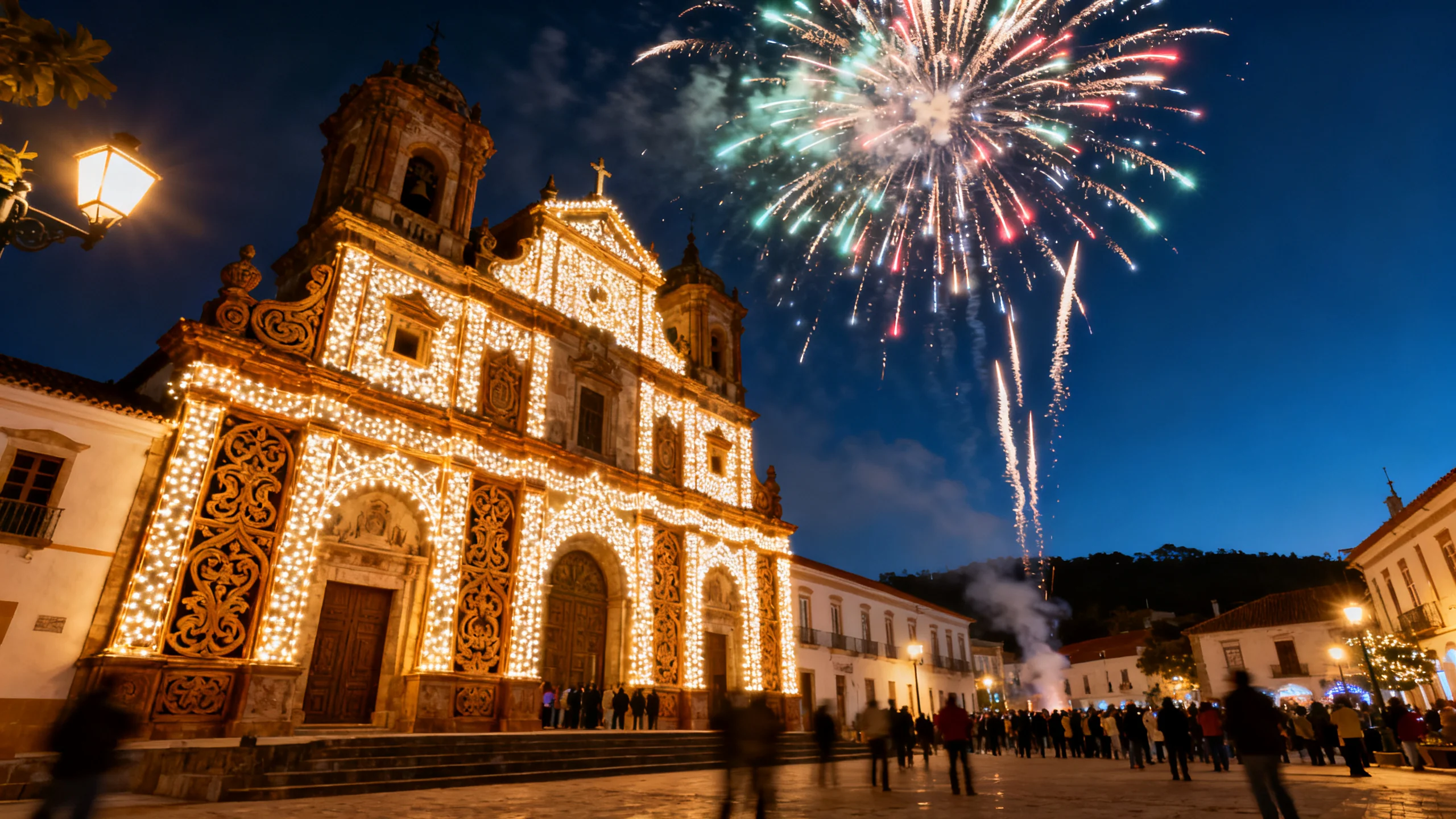
Thursday or Friday evening: opening band march and the lighting of the external festive illumination (the entire church facade is lit by thousands of bulbs in elaborate carved-wooden frameworks, plus illuminated arches over the main street).
Saturday evening (around 20:30): the main brass-band march through the village, ending in the parish square. Multiple village bands take turns; the host village’s band closes.
Saturday night around 23:00: the firework display. Each parish has a pyrotechnics committee, and the competition between rival villages is genuine. The displays escalate week by week as villages try to outdo each other. The major festas have ground-level (zigarella) and high-altitude (paletti) components and last 30-45 minutes.
Sunday morning: the church procession with the patron-saint statue carried through the village streets. Family groups walk behind the statue; the village bands play hymns; the streets are lined with watching neighbours.
Sunday evening: a final fireworks display (often smaller than Saturday’s) and the close of the festa.
The atmosphere is genuinely participatory. Villagers bring chairs to the square. Families set up small folding tables and eat together. Food kiosks sell pastizzi, qassatat, fenek bil-birra, and local wine. Bands play between marches. The parish church facade is lit by thousands of bulbs in carved wooden frameworks. There is nothing tourist-packaged about it; the festa is for the village, and the village is happy to have visitors join.
The major festas
For travellers planning around a specific festa, the key dates:
June:
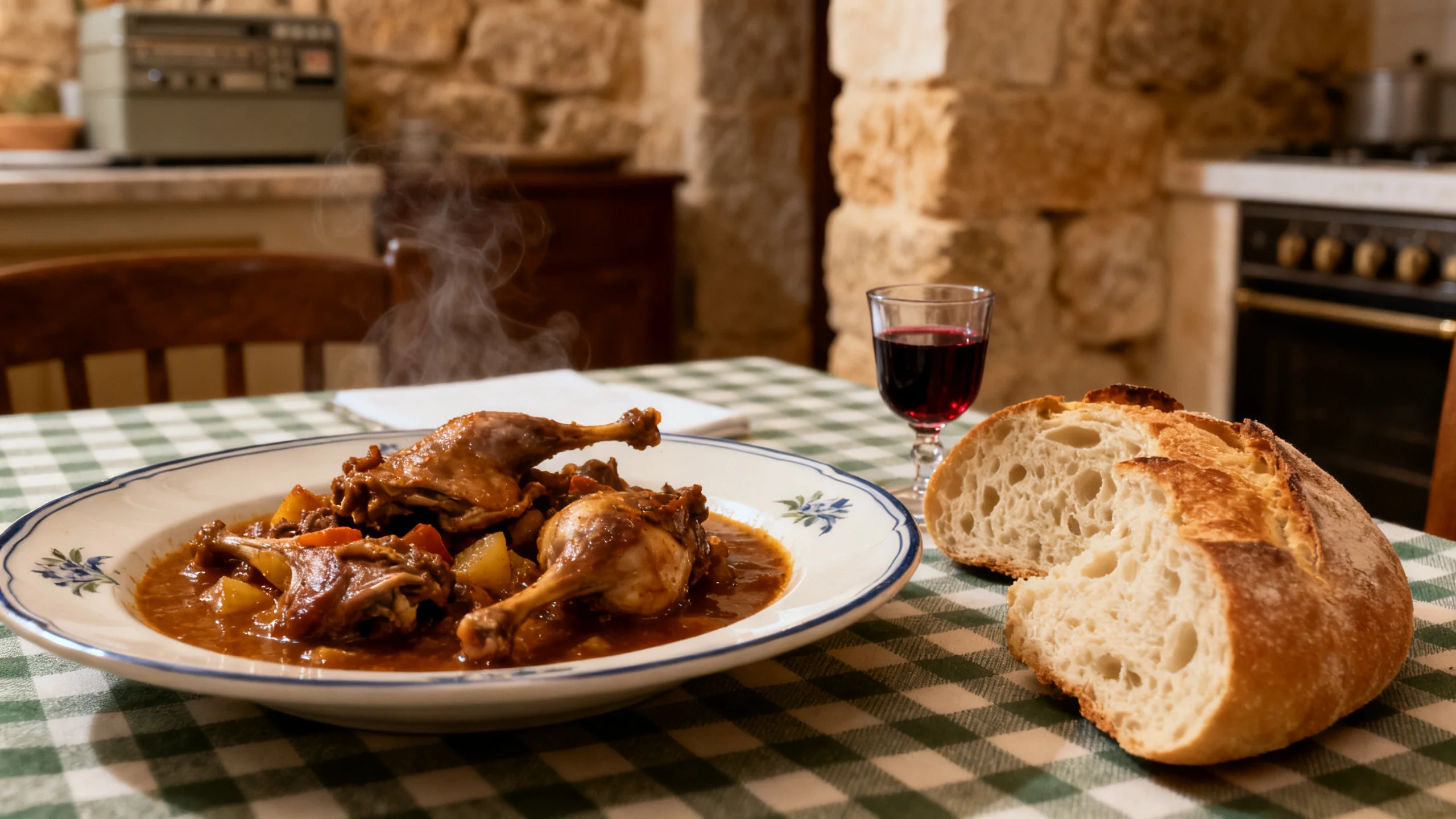
- Mnarja (29 June, St Peter and St Paul) at Buskett Gardens near Dingli. The traditional folk festival, with rabbit-stew feasts, folk music, and the agricultural fair. The oldest documented Maltese festival, dating to the medieval period.
- Gharghur (St Bartholomew): late June modern observance.
Late July:
- Mġarr Gozo (St Anthony of Padua): last Sunday of the month.
- Mqabba (St Mary’s Assumption, on the village schedule rather than the canonical 15 August).
Early to mid-August:
- Lija (Transfiguration, weekend closest to 6 August): famous for the firework displays. Villagers and Maltese tourism observers consistently rate Lija’s Saturday-night finale as the most beautiful single fireworks display of the year.
- Birgu (Vittoriosa) (St Lawrence, 10 August): the Three Cities celebration with one of the largest harbour-side processions.
- Birkirkara, Hamrun, Tarxien, Mosta: various, weekends nearest 15 August.
15 August: the Assumption:
- Mosta (Assumption of Mary): the largest festa in Malta. Expect 20,000+ visitors. The dome is illuminated; the main square fills.
- Attard, Gudja, Mqabba, Qrendi: smaller parallel celebrations the same week.
Late August to early September:
- Mdina-Rabat (Visitation): often late August or early September; depends on the village calendar.
- Naxxar (Nativity of Mary, 8 September): large procession, good fireworks.
- Senglea (8 September, Our Lady of Victories): particularly atmospheric in the Three Cities setting.
The Malta Tourism Authority publishes the annual festa calendar at visitmalta.com/festas (typically by early March). Verify dates because some villages adjust by a week to avoid conflicts with neighbours.
How to attend
You do not need a ticket. The festa is a public village event, open to anyone.
The right approach:
- Arrive in the evening (19:00 onwards on Saturday is the standard).
- Find the parish church square. It is always the centre of activity.
- Buy food from the kiosks (pastizz €1, qassatat €1-2, a glass of wine €3-4, a portion of fenek €8-12).
- Watch the band march from a comfortable spot.
- Stay for the fireworks at 23:00.
- Walk back to your accommodation when you are ready.
Etiquette:
- Dress respectfully for the Sunday procession (a shirt/blouse with sleeves, no beachwear). For Saturday evening, normal clothing is fine.
- Do not photograph the procession participants closely. Distance shots from the side are fine; intrusive close-ups during the slow walk are not.
- Do not climb on church-related structures for photos. The wooden carving frameworks holding the lights are working religious decorations, not stage props.
- Tip the food kiosks (round up to the next euro; not expected but appreciated).
When to plan around a festa
For a 5-day trip in summer, festa weekends fall once or twice within the dates. Choose a date range that includes at least one major festa.
For a 7-day trip in July or August, you can plan around two festas if the calendar fits.
For a 10-day trip, you can attend three or more festas, with travel between Malta and Gozo to catch festas on both islands.
The pattern that works for most travellers: pick one major festa as the planned highlight, attend it for the full Saturday evening, and use the rest of the trip for the standard cultural visits.
Where to sleep on a festa weekend
Avoid sleeping in the festa village unless you specifically want the noise. The fireworks at 23:00 carry for 2-3 km. The band march continues until 02:00. The procession on Sunday morning starts around 09:00 with church bells.
Better: sleep in a neighbouring village or in Sliema/Valletta, and arrive at the festa village by car or bus for the evening. Most festa villages have bus services extended until late on the festa weekend.
The exception is the Mosta festa (15 August): the village is large enough that you can sleep in the outer areas without the noise; the central square is the loud part.
What to skip
- Hotel “Maltese folklore evening” shows marketed as alternatives to the festa. These are folklore-as-floor-show: a dance troupe, recorded music, a pre-packaged “Maltese meal”. The real festas are 15 minutes’ drive from any major hotel; go to them instead.
- “Festa tours” that promise inside access. The festa is already open to everyone; you do not need a tour guide.
- Climbing on the wooden frameworks for photos.
Finding the calendar
The Malta Tourism Authority festa page publishes the full annual calendar typically by early March.
The Times of Malta weekly events listing also shows the upcoming festas with timing details.
If you are visiting between mid-June and early September, check the calendar for your travel dates and pick the strongest festa within reach.
The honest paragraph
The Maltese village festa is the most authentic cultural experience available to a Malta visitor, and most tourism brochures undersell it. The villages put serious resources into their summer festas (a major village’s annual fireworks budget can exceed €100,000), the events have not been packaged for tourist consumption, and the atmosphere is family and community rather than commercial. If you are visiting between mid-June and early September, check the calendar and pick one festa to attend. The experience justifies the late evening and the bus ride back.
For the broader village context, see the Mdina, Rabat & the centre regional hub and the public holidays and festas practical page.
Related reading
- Public holidays and festas: the full calendar with dates.
- When to visit: timing a Malta trip around a festa.
- Maltese cuisine: the food the festa villages cook.
- Mdina, Rabat & the centre: the densest festa cluster.
- Maltese language: the festa-square is where you hear it most.