The seven regions of the Maltese archipelago
Malta is three islands (Malta, Gozo and Comino) divided into seven practical regions, each with its own character, landscape, and reasons to visit. The summary cards below link to the detailed guides.
The archipelago
Three islands, seven regions
Malta sits 80 km south of Sicily and 280 km east of Tunisia, the southernmost member state of the European Union. The main island of Malta is 27 km by 14 km; Gozo, the second island, is roughly a third of that size; Comino is the small middle island at 3.5 km². The whole archipelago can be crossed from end to end in around 90 minutes by car plus a ferry crossing, but the terrain and the seven regions have meaningfully different characters.
The historic east
Valletta · Three Cities · Sliema
The walled capital and the harbour communities. Where most of the cultural sights, the cruise ships, and the package hotels are.
The interior and coast
Mdina · Centre · North · South
The silent old city, the central villages, the sandy beaches and Cirkewwa ferry, the megalithic temples and Dingli Cliffs.
The other islands
Gozo · Comino
The green agricultural sister island and the tiny middle island with the Blue Lagoon. Both reached by ferry from Cirkewwa.
All seven
The seven regions, side by side
Each card links to the full regional guide. Pick a base, then plan day trips outward; almost nothing on Malta is more than 90 minutes from anywhere else.
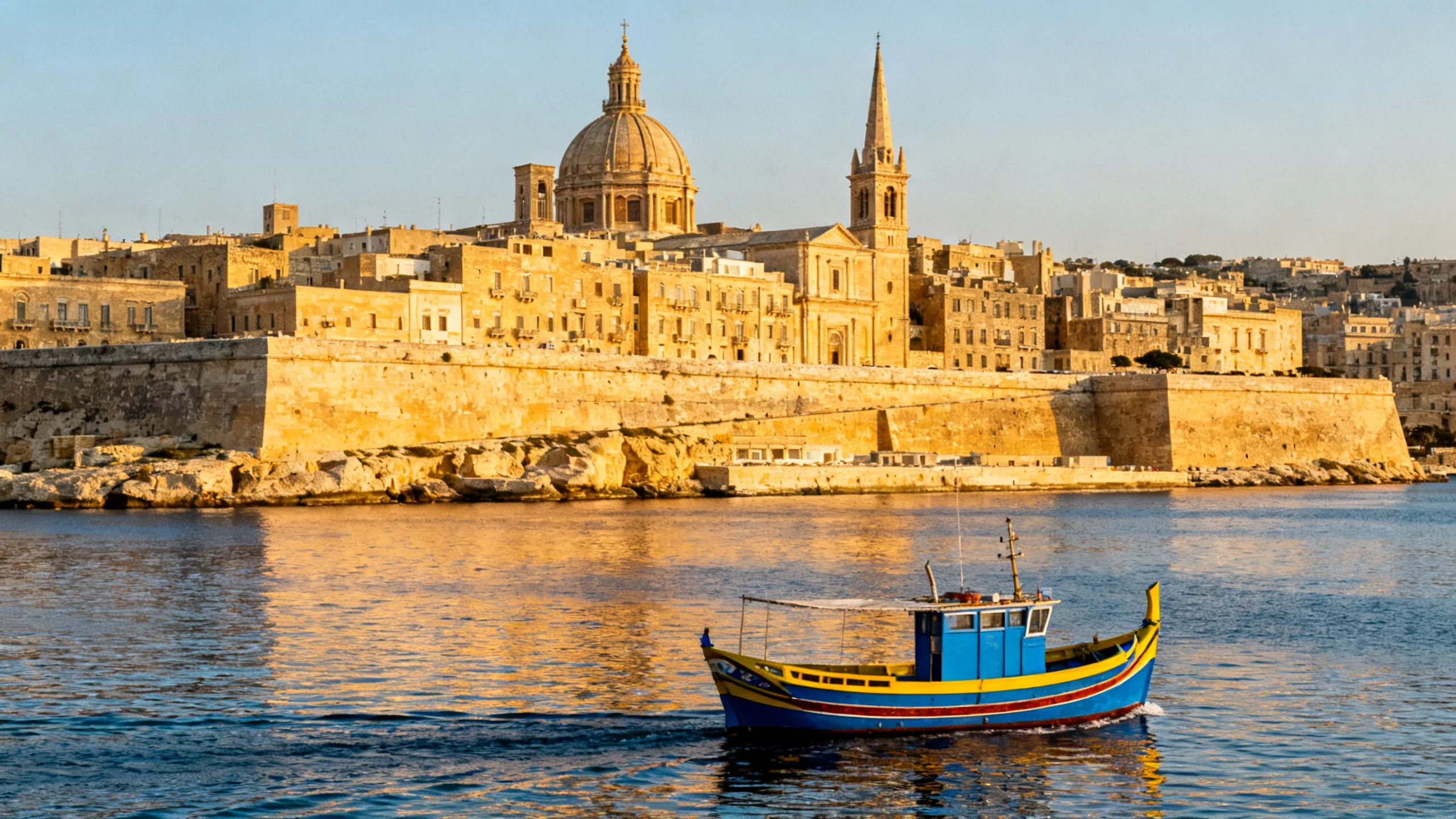
Valletta & the Three Cities
Smallest EU capital, baroque harbour
The walled UNESCO capital built by the Knights of St John after the 1565 Great Siege, with St John's Co-Cathedral and its two Caravaggios. Across the harbour, the Three Cities (Birgu, Senglea, Cospicua) offer the same baroque streetscape without the cruise crowds.
- Best for:
- History, baroque, walking, short city breaks
- Suggested stay:
- 2–4 days
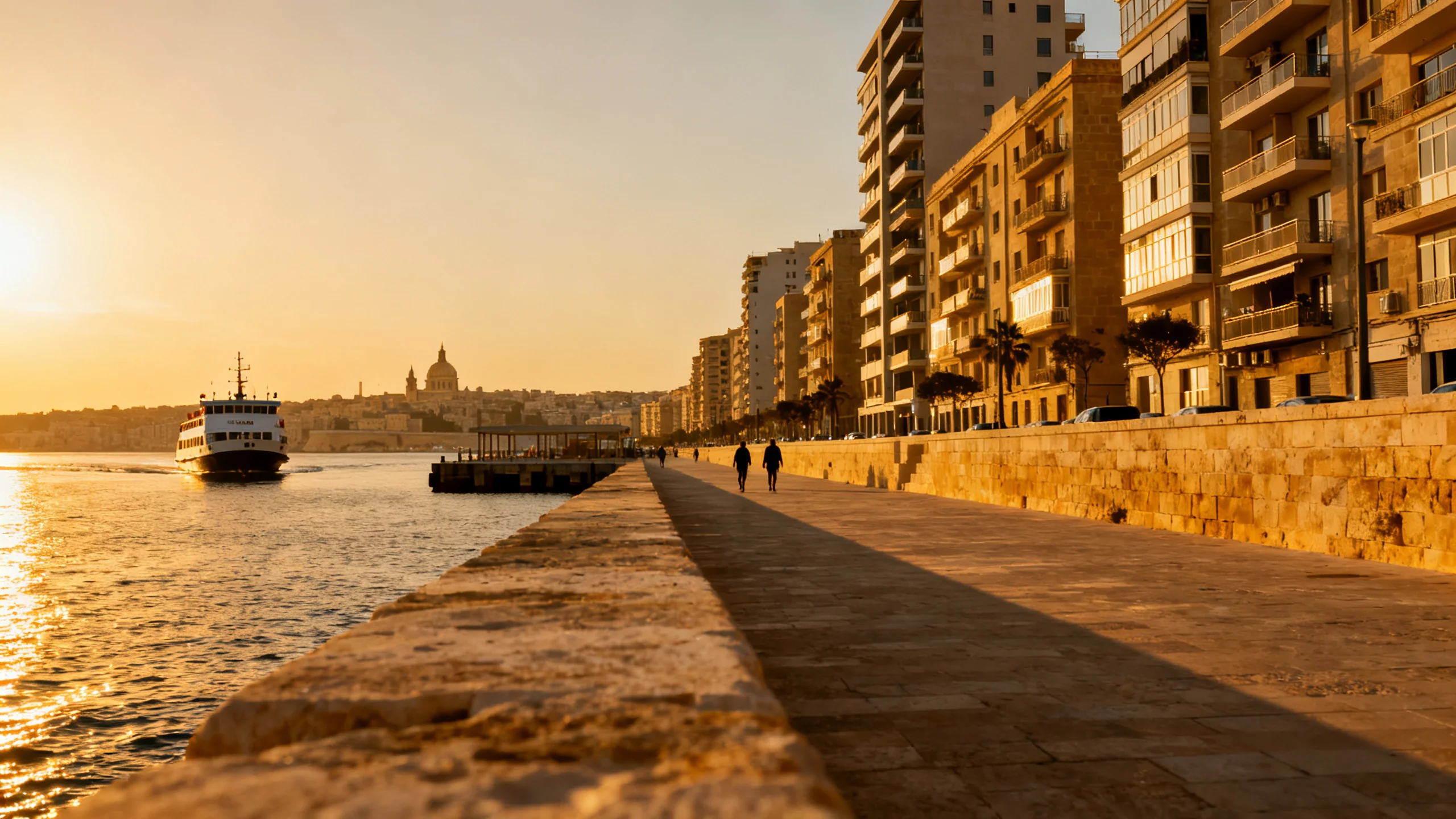
Sliema & St Julian's
The modern coast, practical package base
The modern mid-rise coast: most package hotels, the 3 km seafront promenade, Spinola Bay's painted luzzu boats, and the 5-minute ferry to Valletta. Practical convenience over Maltese character; sleep here only if you want it for the right reasons.
- Best for:
- Walkable amenities, short trips, families with kids
- Suggested stay:
- 1–2 days
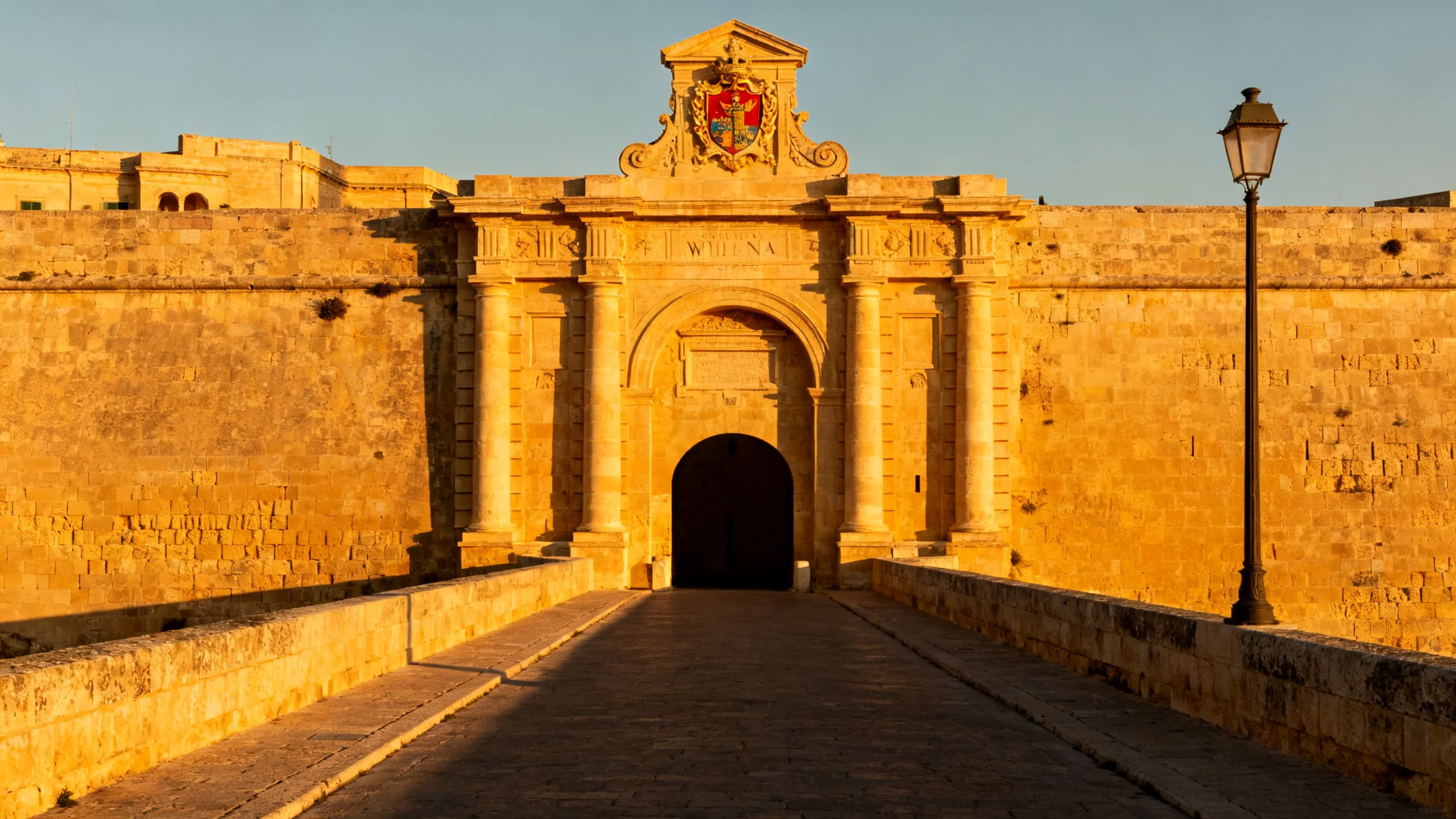
Mdina, Rabat & the centre
The old silent walled city
The old capital before Valletta: walled, almost silent, around 300 residents inside the bastions. Rabat next door has St Paul's Catacombs and the Domus Romana. Mosta's dome, San Anton Gardens, and the summer festa circuit are nearby.
- Best for:
- Late-afternoon photographers, architecture, festas
- Suggested stay:
- 1–2 days
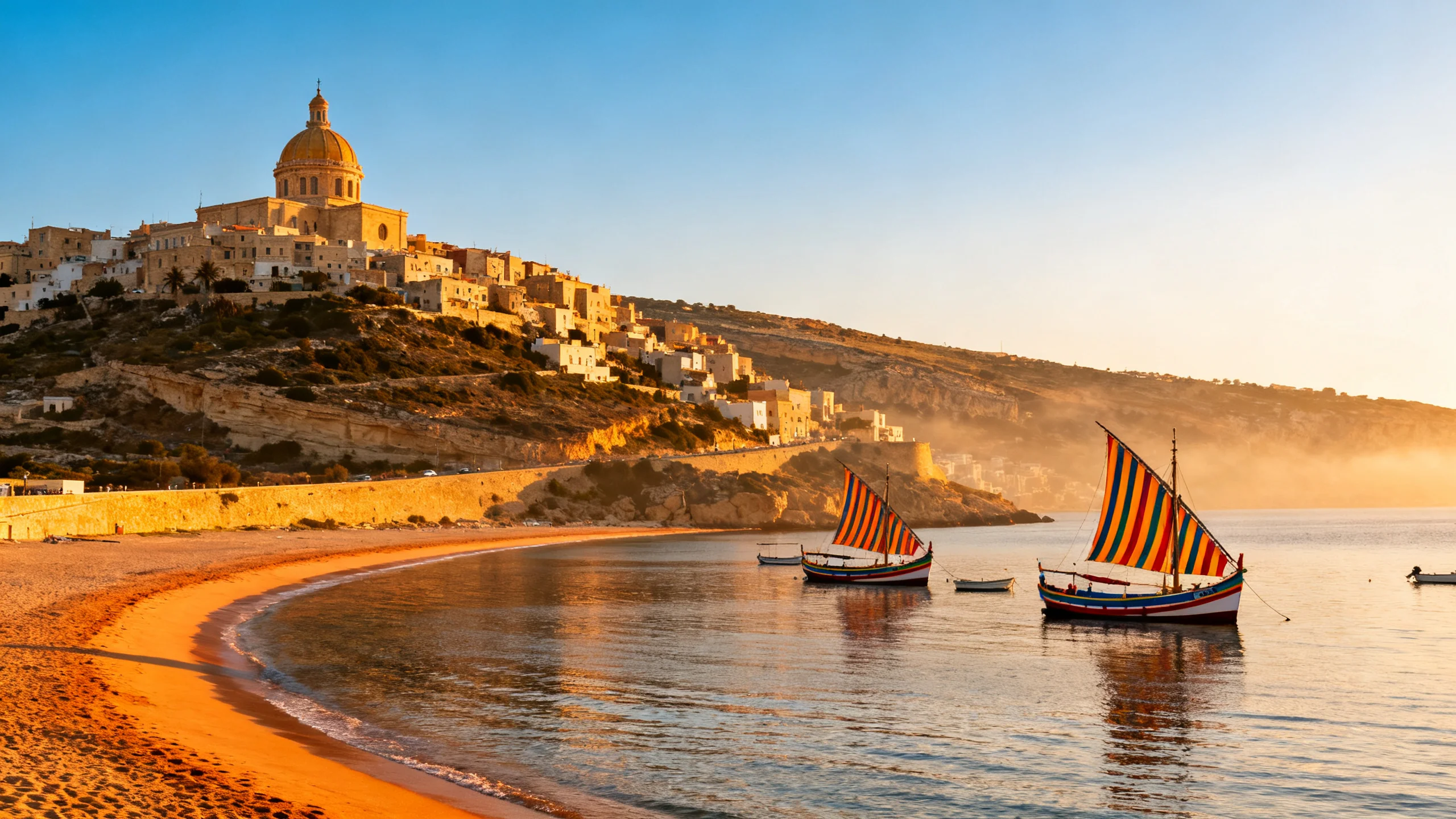
North Malta
Beaches and the Gozo ferry
Mellieha Bay, Golden Bay, Ghajn Tuffieha: where the country's sandy beaches actually are. Plus Cirkewwa, the ferry to Gozo, the Red Tower on the headland, and the L-Ahrax peninsula walk no guidebook covers.
- Best for:
- Sandy beaches, families, the Gozo crossing
- Suggested stay:
- 1–3 days
South Malta
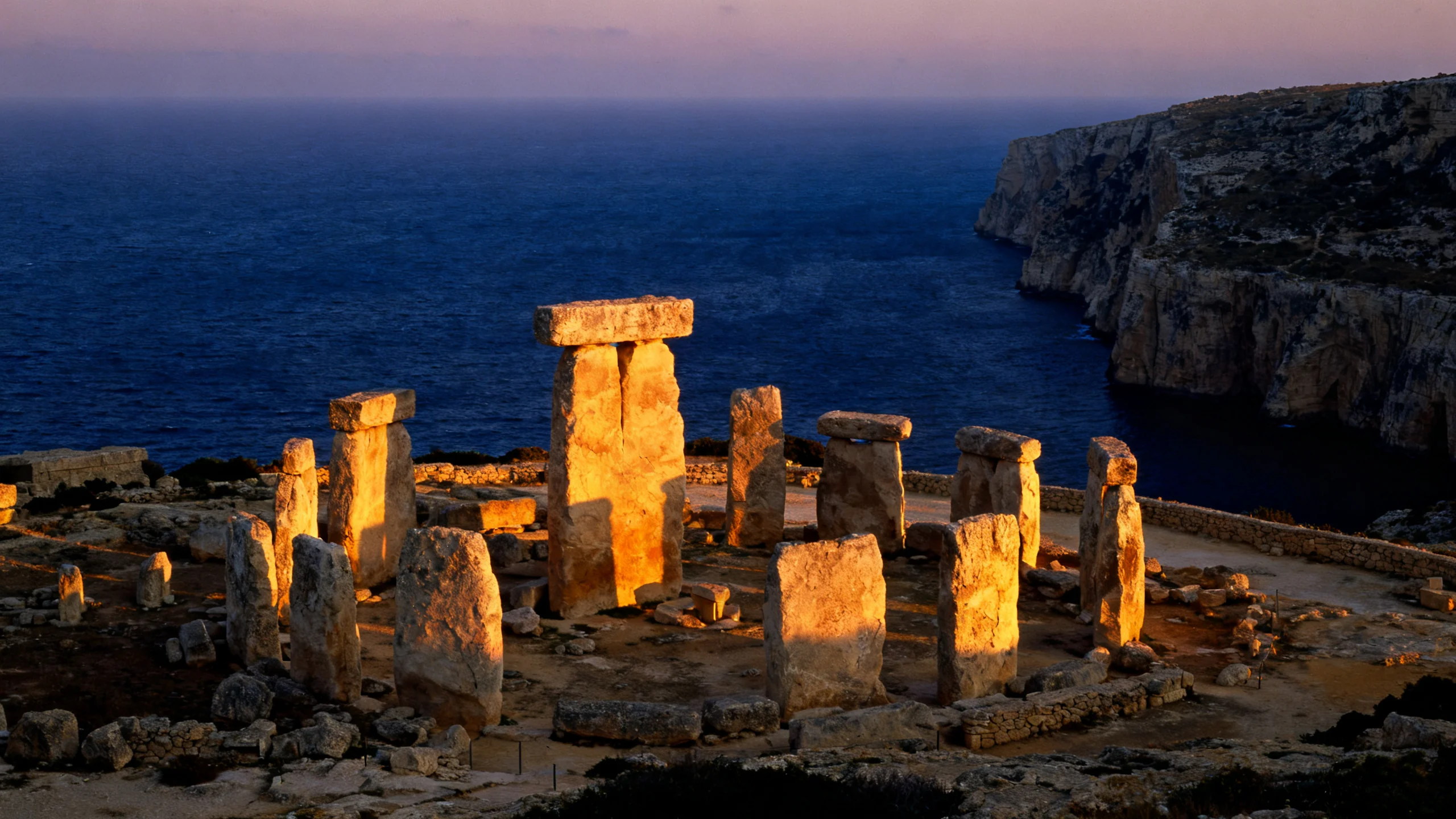
Megalithic temples and Dingli cliffs
The cultural and archaeological half: Hagar Qim and Mnajdra on the cliffs, Tarxien Temples and the Hypogeum near Paola, Marsaxlokk's Sunday fish market, the Blue Grotto overlook, and Dingli Cliffs at sunset.
- Best for:
- Prehistory, photography, slower travel
- Suggested stay:
- 1–2 days
Gozo
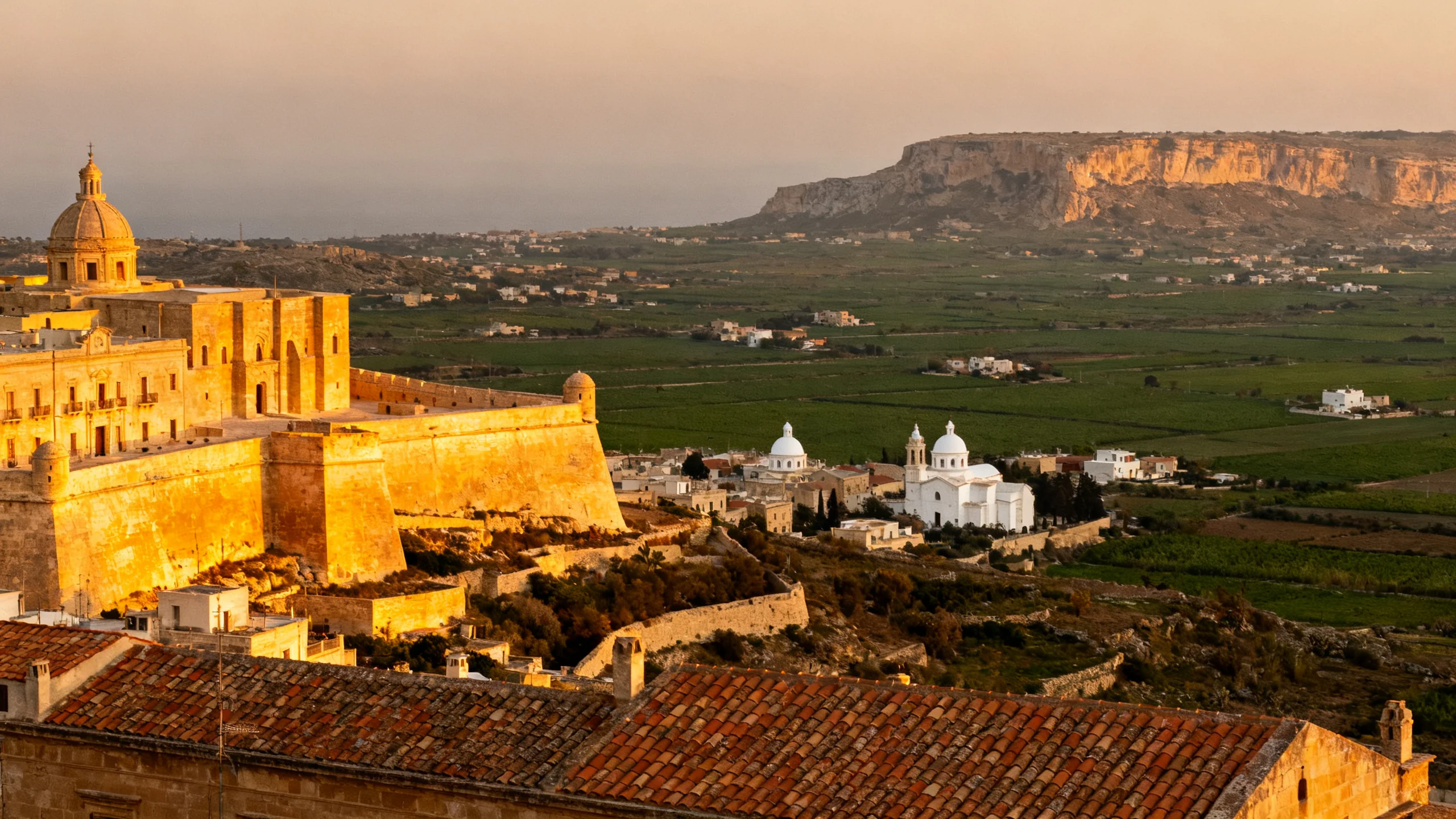
The green sister island
A 25-minute ferry away: slower, greener, more agricultural. Victoria's Cittadella, the Ggantija temples (older than the Pyramids), Dwejra after the Azure Window collapse, Ramla's red sand, the diving, the converted farmhouse stays.
- Best for:
- Slow travel, farmhouse stays, divers
- Suggested stay:
- 2–4 days
Comino
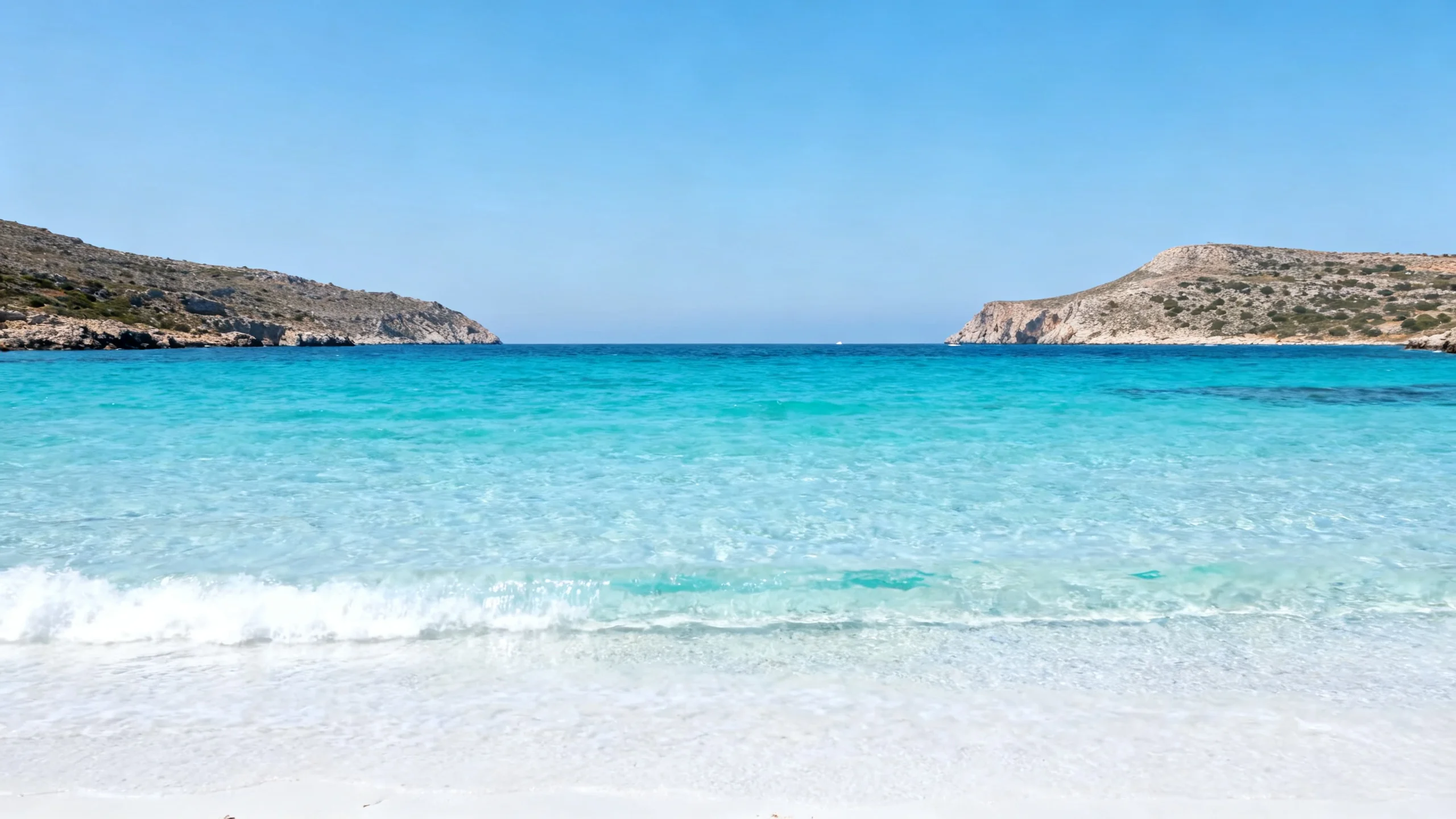
Tiny middle island, Blue Lagoon
The 3.5 km² uninhabited middle island, day-trip only. The Blue Lagoon is photographed everywhere and ruined by overcrowding between 10:00 and 16:00. Visit before 09:00 or after 17:00 and it becomes one of the best swimming spots in the Mediterranean.
- Best for:
- Swimming, divers, early-morning strategists
- Suggested stay:
- Half day
Logistics
Getting around Malta and Gozo
Malta has a dense bus network covering most of the main island, plus the Sliema-Valletta ferry, the Cirkewwa-Mgarr car ferry to Gozo, and the small Comino crossings. For anything beyond the Valletta-Sliema-airport axis, a rental car saves significant time. Gozo is best with a car of its own.
-
By bus and ferry
The €2.50 bus network is genuinely useful for Valletta, Sliema, Mdina, Mosta, Marsaxlokk and Mellieha. The 5-minute Sliema-Valletta ferry (€1.50) is faster than the bus for that route.
-
By rental car
Left-hand traffic, narrow roads, tight parking. From €25 a day. Worth it for any itinerary that includes Dingli Cliffs, the inland villages, multiple Gozo days, or sustained southern coast trips.
-
To Gozo
Cirkewwa-Mgarr car ferry every 30-45 minutes (€15.70 return for car + driver, paid on the Gozo side). Or the Valletta-Mgarr fast passenger ferry (€7.50 one way, 45 minutes).
FAQ