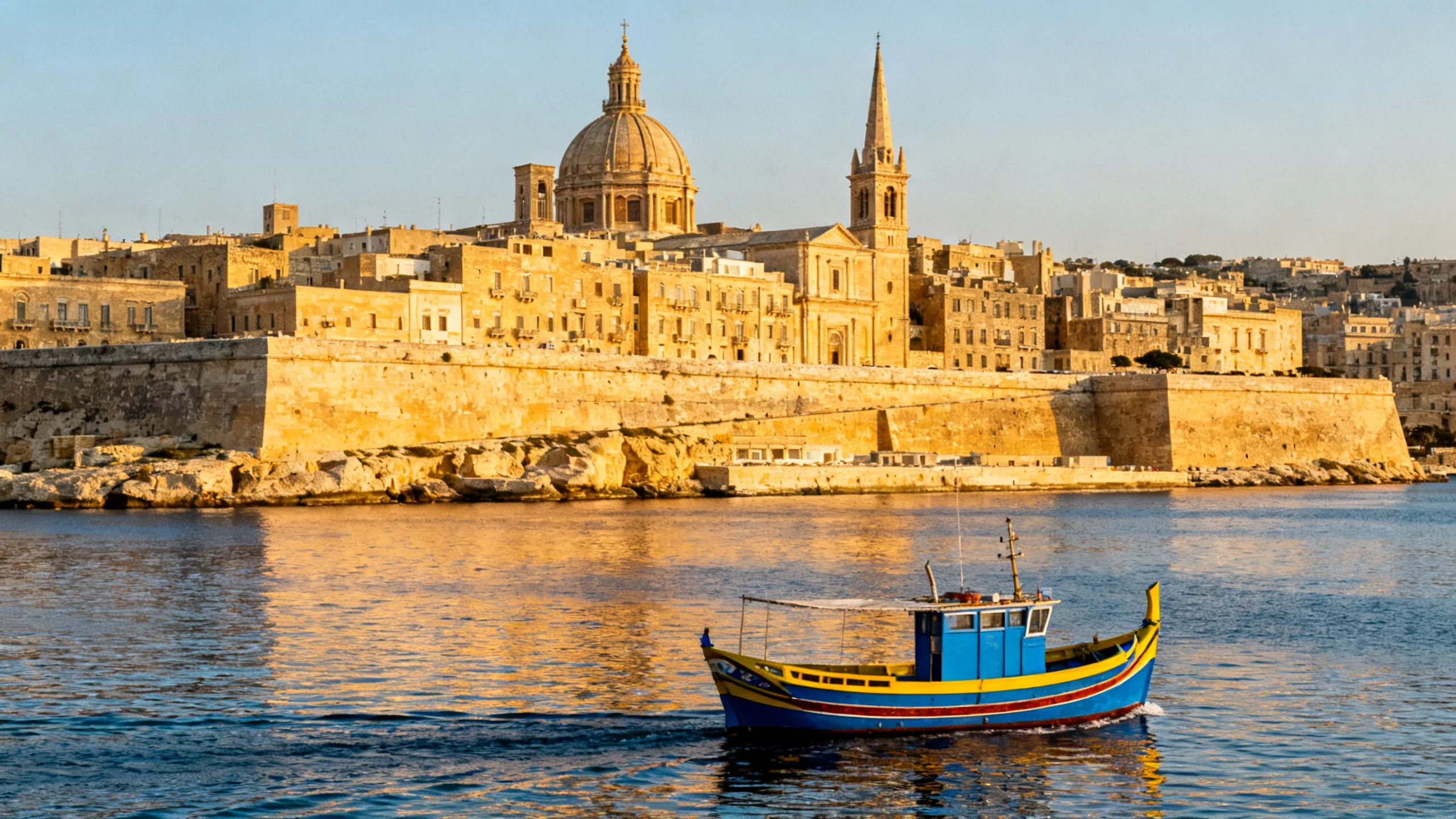
Valletta is the smallest capital in the EU and it shows. Less than a kilometre long, walled on three sides, built on a slab of limestone above Grand Harbour: you can cross it on foot in twenty minutes. Across the water sit the Three Cities (Birgu, Senglea and Cospicua), the old harbour communities the Knights lived in before Valletta existed. Together they make a single tight region that most travellers underuse, treating Valletta as a half-day stop and skipping the harbour entirely. The case for spending more time here is straightforward: this is where Maltese history is dense, walkable, and largely outdoors.
The first thing to understand about Valletta is the scale. The peninsula is roughly 900 metres long and 600 metres wide. Stand at the Triton Fountain by the city gate, look down Republic Street, and you can see almost to the other end. There is no need for a tourist train, a hop-on bus, or a guided walking tour. The whole city is the walking tour.
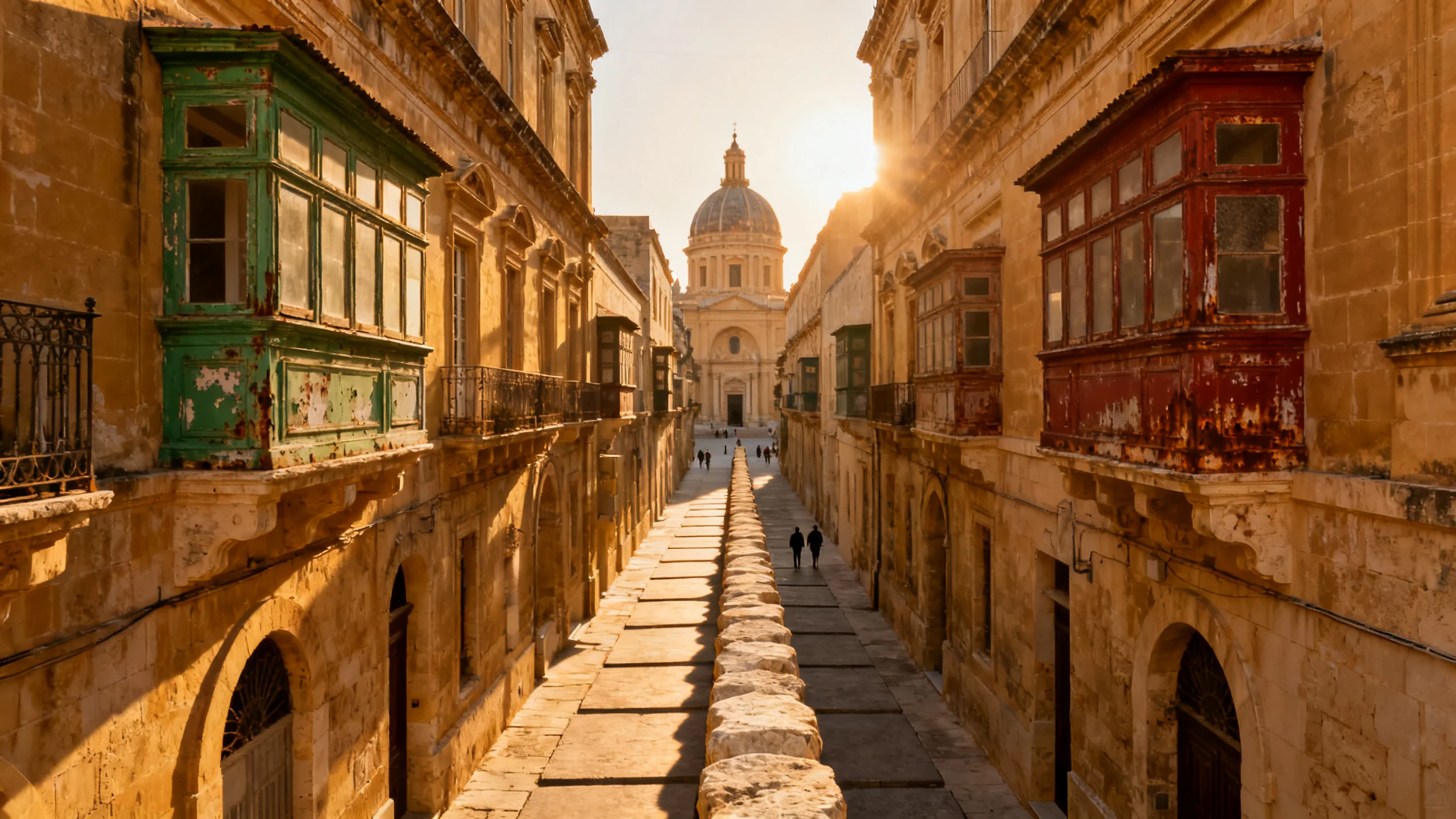
Built by the Knights of St John after the Great Siege of 1565, Valletta was designed as a fortress that would also be a Renaissance city. The grid is unusually regular for a Mediterranean capital: straight streets, intersecting at right angles, named for the principal Knights’ auberges. The honey-coloured globigerina limestone, the enclosed wooden balconies (gallarija), the long flights of low limestone steps that drop toward the water on both sides: this is one of the most architecturally coherent old towns in Europe.
It is also genuinely lived in. Around 5,800 people sleep inside the walls. That is small enough that the bakery on Old Theatre Street knows its regulars, and large enough that you’ll walk past schoolchildren on the way to St John’s. Cruise ships dock directly below the bastions and disgorge their passengers between roughly 09:00 and 17:00, which is the only time the city feels crowded. Stay overnight and you’ll get the place at dawn and after dinner with the residents.
What to do in Valletta
A practical walking sequence, north to south, that uses gravity in your favour and ends with sunset over Grand Harbour.
Republic Street, the main spine, runs the length of the city from the Triton Fountain to Fort St Elmo. It is pedestrianised, lined with limestone facades, and bisected by Merchants Street running parallel. Take Republic out, Merchants back, and you’ve seen most of the public buildings.
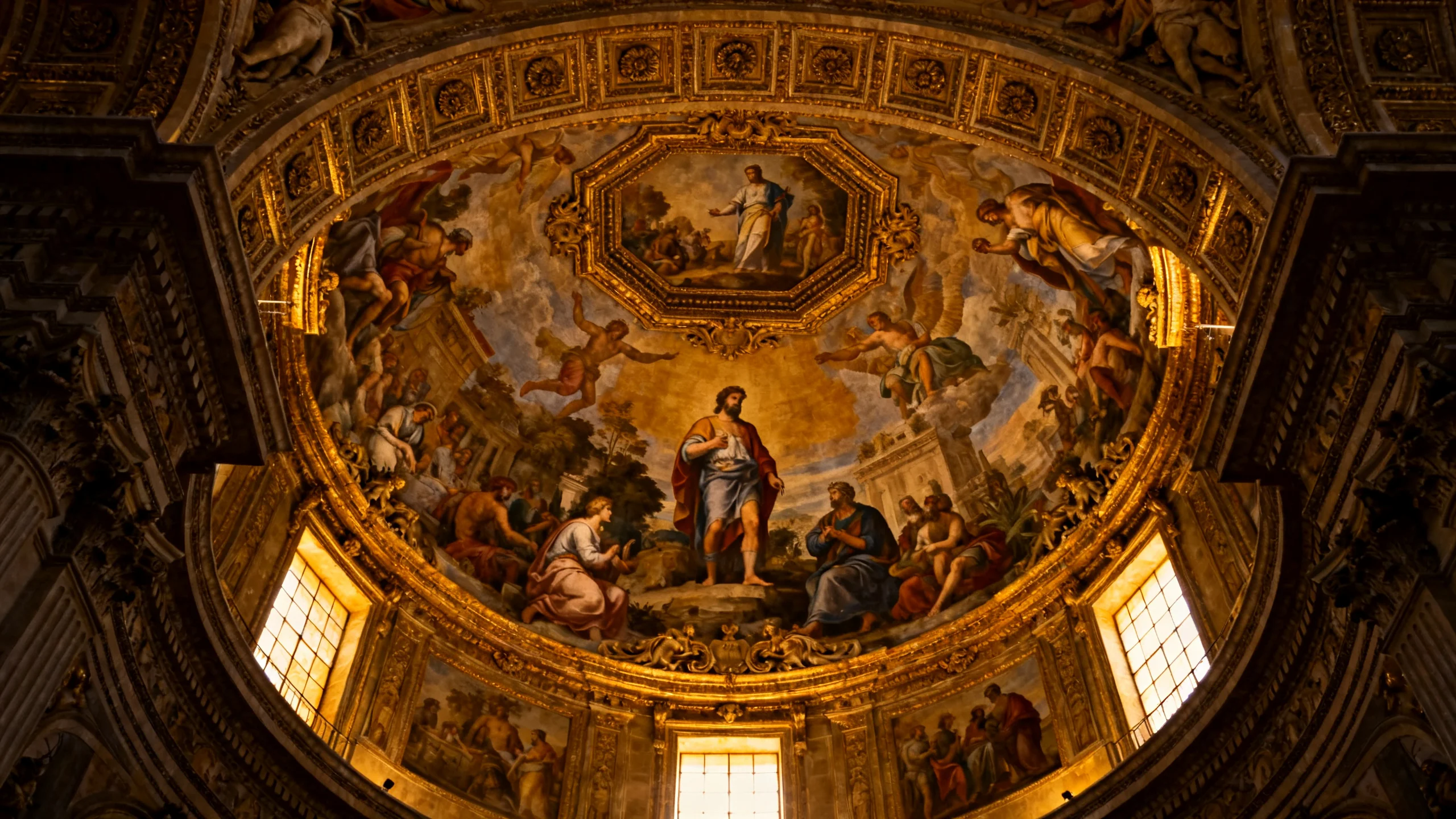
St John’s Co-Cathedral is the interior worth seeing first in Malta. Plain enough on the outside (the Knights wanted it discreet) and entirely covered in carved gilding and inlaid marble tombstones inside. The two Caravaggios are in the Oratory off the nave: The Beheading of St John the Baptist (1608, the largest canvas Caravaggio ever painted and the only one he signed) and St Jerome Writing. Book online (€15, audioguide included), arrive at opening or after 15:00, and budget at least 90 minutes. Dress code is strictly enforced: no shorts, no bare shoulders. They lend cover-ups if you forget.
Upper Barrakka Gardens is the postcard view of Grand Harbour. It sits on top of the St Peter and St Paul bastion overlooking Grand Harbour, with the Three Cities directly opposite. At noon and 16:00 daily, the Saluting Battery below the gardens fires a ceremonial cannon. It is a leftover from the British era, now a paid attraction (€3 if you want to go down to the battery; free if you watch from the gardens above).
Fort St Elmo and the National War Museum, at the tip of the peninsula, cover the 1565 siege and the 1942 Malta blockade. The 1942 material is the better half. Malta was the most bombed place on earth that year, and the George Cross awarded to the entire island is on display. Budget two hours. Skip if you have no interest in military history; it is a serious museum, not a tourist site.
Casa Rocca Piccola is a still-occupied 16th-century palazzo near St John’s. The current Marquis de Piro shows visitors around his own house, including the family wine cellar (now a wartime air-raid shelter) cut into the limestone below. It’s the best surviving picture of how the Maltese nobility actually lived. Tours run hourly, €9.
Manoel Theatre is one of the three oldest working theatres in Europe (1731), still hosts performances, and offers cheap tours when the stage is dark. If you can catch a chamber concert here, do.
Skip the cable-car-styled tourist train, the harbour speedboat tours that race past the bastions to drum music, and most of the souvenir shops on Republic Street (the limestone sculpture is mass-produced; the lace is almost all imported from China). The Maltese-made things worth buying are the silver filigree (Sciortino on Old Theatre Street is the survivor), Gozo cheese from the market, and the orange-blossom honey from Mellieħa, none of which need to come from Valletta.
What to do in the Three Cities
The Three Cities are Birgu (also called Vittoriosa), Senglea (L-Isla) and Cospicua (Bormla), arranged along the south side of Grand Harbour. They are the locals’ Valletta: same limestone, same baroque, same waterfront, far fewer cruise passengers. Most travellers cross over for half a day. A full day is closer to right.
Birgu / Vittoriosa was the Knights’ first base when they arrived in 1530, before Valletta was built. The medieval waterfront, the Collachio (the walled quarter where the knights lodged by language group), and Fort St Angelo at the tip of the peninsula are the heart of it. Fort St Angelo costs €10 and includes the upper section that the British used as a naval base. The view from the rampart is arguably better than Upper Barrakka, with the bonus of fewer people.
Inquisitor’s Palace in Birgu housed the Roman Inquisition in Malta for over two centuries. The dungeons and the courtroom are intact. €6, well-curated, takes an hour.
Senglea is mostly residential, and the reason to walk over is Gardjola Gardens at the tip, with the famous limestone watchtower carved with an eye, an ear and a crane (the symbols of vigilance). Stand there at sunset, look across to Birgu and back toward Valletta, and you understand why the Knights fortified this corner of the Mediterranean to the degree they did.
Cospicua is the largest of the three, working class, with shipyards along the inner harbour. The dock area is being redeveloped and is currently a mix of restored warehouses, marinas, and rough patches. It’s where to find a cheap pastizz at a counter rather than a tourist menu.
Getting between Valletta and the Three Cities
Three ways across Grand Harbour, in descending order of charm:
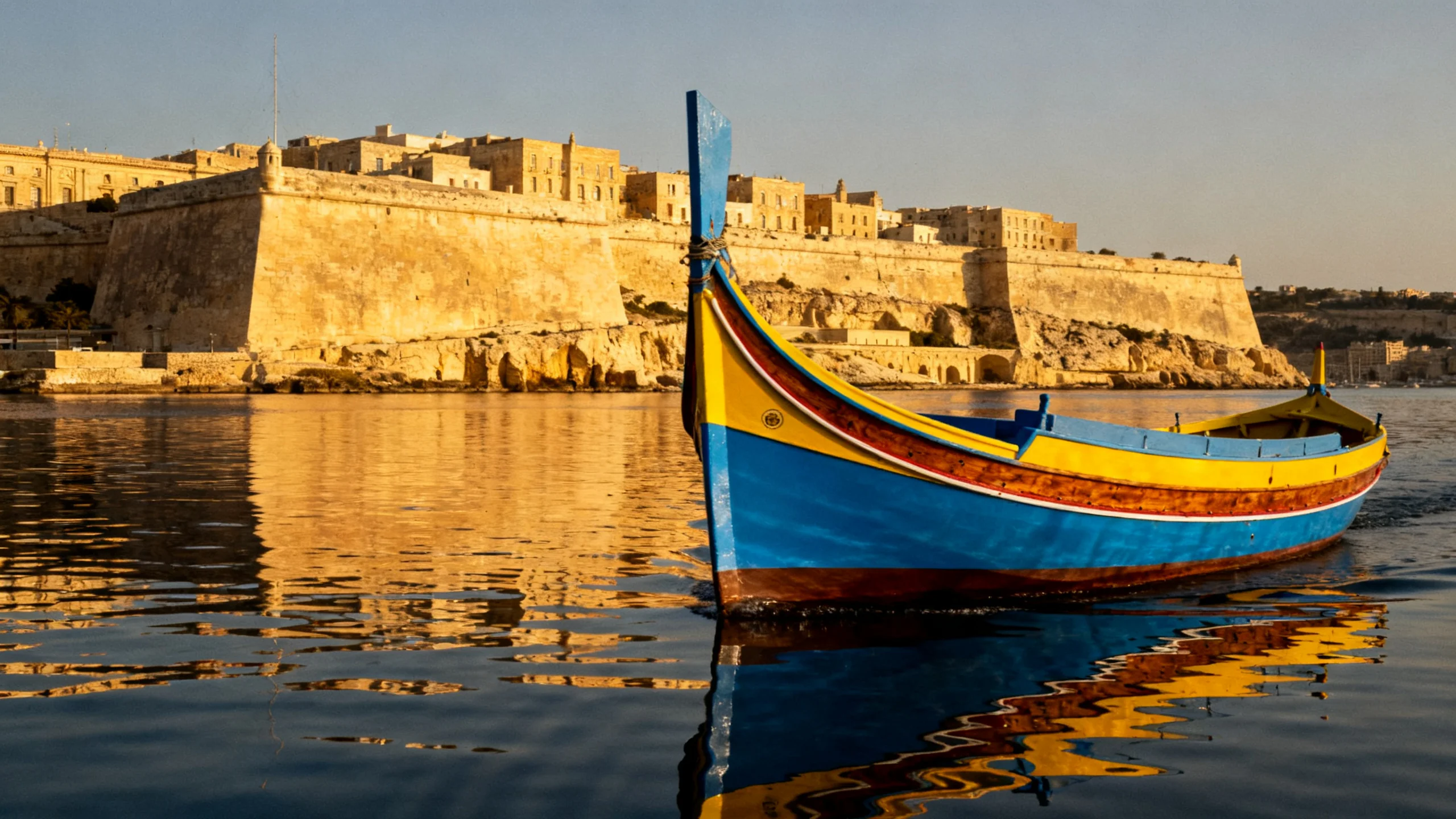
- Traditional dghajsa water taxi from Lascaris Wharf below Upper Barrakka. The brightly painted Maltese boats (direct descendants of Phoenician fishing skiffs) cost €2 per person each way. Half the experience is the crossing itself. They run on demand from about 09:00 to 18:00.
- Public commuter ferry from the same wharf to Birgu. Faster, €1.50, runs every 30 minutes from early morning to late evening. Use this if the dghajsa queue is long.
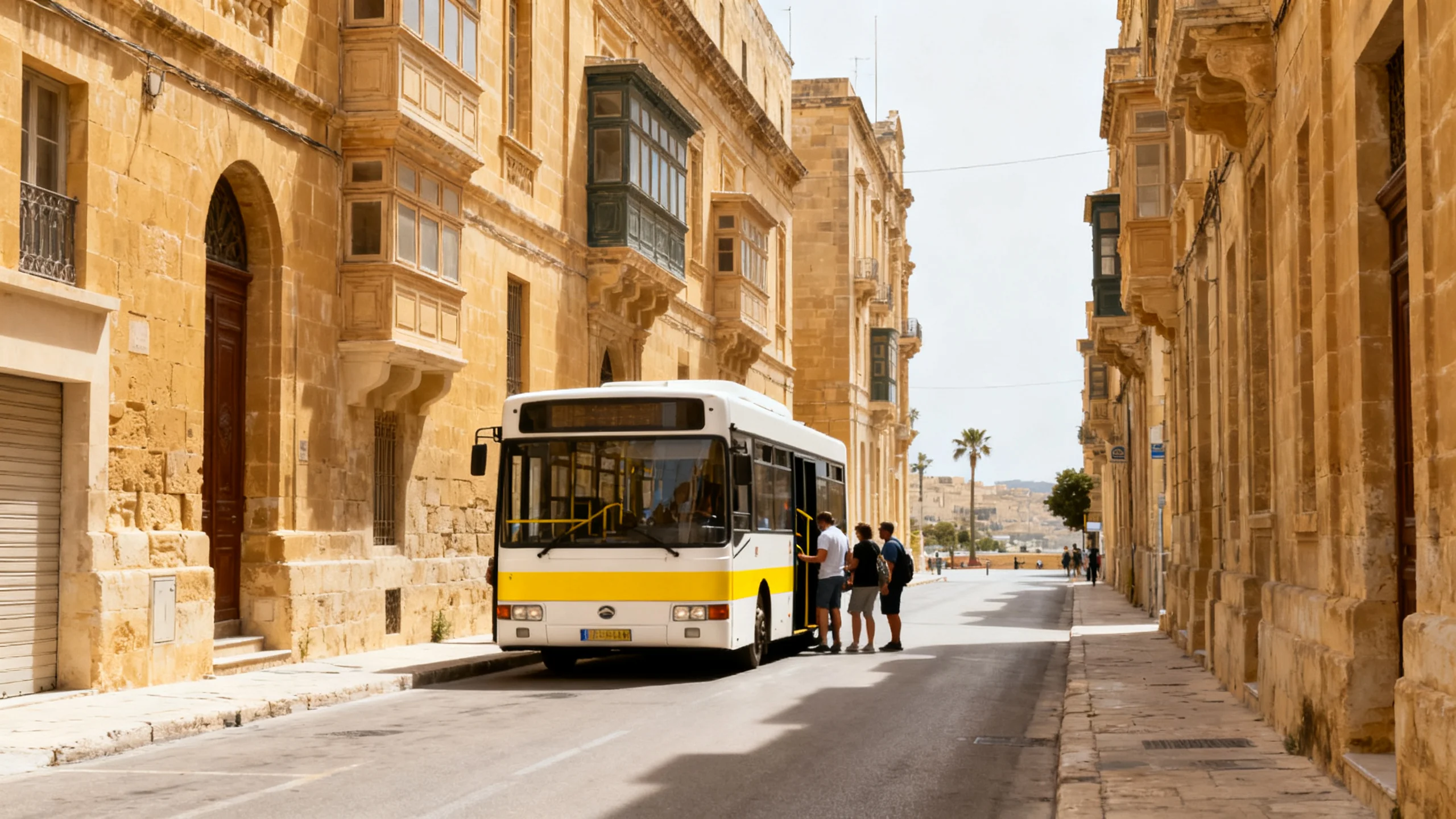
- By road via the Marsa peninsula, a 6 km detour around the head of the harbour. Bolt from Valletta to Birgu is around €8. Only do this if you’re carrying luggage.
Where to sleep
The case for sleeping inside Valletta is strong: it is small enough to leave on foot, the streetlight is theatrical after dark, and the cruise crowd evaporates after dinner. The case against is price (boutique hotels inside the walls average €180–300/night in shoulder season) and the limited car access if you’re driving the rest of the island.
Birgu is the alternative that most regular visitors land on after a first trip. The boutiques in restored palazzini there run €130–200/night, the harbour view is as good, and you’re a €2 ferry ride from Valletta proper.
A detailed comparison sits on the where-to-stay page for this region.
How long to stay
Two nights in Valletta is the floor. Less than that and you only see the place during cruise hours. Three nights gives you a full unrushed day for St John’s and the Co-Cathedral, a full day for the Three Cities, and a half day to either daytrip Mdina or stay put and walk the bastions. Four nights starts to feel slow unless you have specific interests (a course at the Manoel Theatre, several museums, a deep look at the baroque churches).
If your full Malta trip is five days or fewer, two nights here plus the rest split between Gozo and a third base is the standard pattern. If it’s a week or more, three to four nights here is reasonable.
What about Floriana?
Floriana is the small fortified suburb between the city gate and the bus terminus. Technically a separate town, practically a continuation of Valletta. The Mall, the Argotti Botanical Gardens, and the Phoenicia Hotel sit here. It’s where the long-distance buses stop, so you’ll cross it whether you mean to or not. Worth a side wander; not a destination on its own.
The honest paragraph
Valletta is one of those small places that survives mass tourism because the cruise day-trippers all funnel down the same two streets and skip everything else. If you stay overnight and walk the side streets (Strait Street, Old Theatre Street, the lanes around the lower bastions), you’ll have an experience that has nothing to do with the souvenir-shop spine of Republic Street. The Three Cities are still in the half-discovered phase that Birgu was twenty years ago. Go now, while a coffee on the Birgu waterfront still costs €2 and the dghajsa men know each other.