The traditional Maltese dishes worth ordering, the kitchens that do them well, and the pitfalls of tourist-tier restaurant menus. Named places.
Maltese cuisine sits at the intersection of three traditions: Sicilian (pasta, baroque desserts, citrus), North African (cumin, dried beans, slow-cooked stews) and British colonial (tea culture, milky sauces, the addition of beer to traditional rabbit stews). The Maltese have absorbed all three over centuries without erasing the older layers. A modern Maltese kitchen serves all three, often in the same meal.
For travellers who came specifically for the food, this is what to order, where to go, and where to avoid.
The essential dishes
Pastizzi (the famous one)
Flaky filo-style pastry filled with either ricotta (irkotta) or split-pea mush (pizelli). Sold from “pastizzeriji” (counter-only shops) at €0.50-0.80 each. The best are eaten hot, within five minutes of leaving the oven.
Where:
- Crystal Palace at the bottom of the Rabat hill (the most famous; cash only; queue at lunch).
- Serkin Café in Rabat (similar quality; quieter).
- Tas-Serkin in Sliema for a Sliema-side option.
Skip the touristy pastizzi at the Marsaxlokk Sunday market or the Valletta seafront kiosks. Both are competent but expensive (€1.50-2 each); the village pastizzeriji are the real thing.
Ftira (the Gozitan flatbread)
A flat sourdough disc-shaped bread, sliced horizontally, drizzled with olive oil, then filled with tuna, capers, sun-dried tomatoes, ġbejna (Gozitan sheep’s-milk cheese), olives, and sometimes hard-boiled egg. One ftira feeds two people. The perfect lunch.
Where:
- Maxokk Bakery in Xagħra, Gozo (cash only; the bakery has been making ftira to the same recipe since 1932).
- Mekren’s Bakery in Nadur, Gozo.
- Country store in Cospicua: smaller, more casual.
- Almost any decent Maltese kitchen lists ftira on the lunch menu.
Fenek bil-birra (rabbit stew with beer)
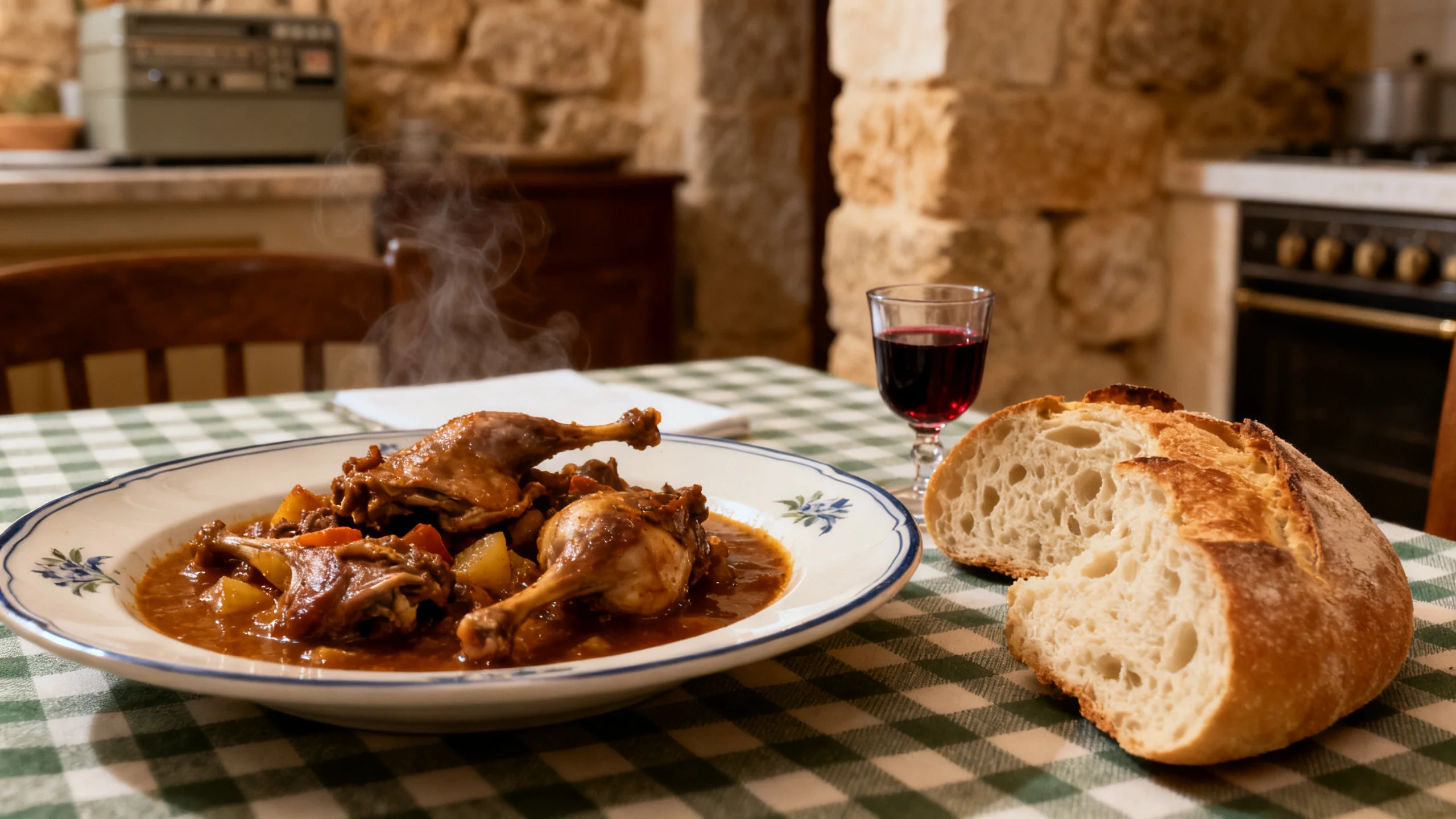
The national dish. Wild rabbit (or farmed), slow-cooked with beer (Cisk or Hopleaf), red wine, garlic, bay leaves, tomato, and root vegetables. Served with pasta as a starter (the sauce is used to dress the pasta) and the rabbit as the main course.
This is a Sunday meal, not a quick lunch. A full fenek service takes 2-3 hours; the cook starts at 10:00 for a 13:00 lunch.
Where:
- United Bar and Restaurant in Mġarr (north Malta village, not Gozo port). Famous for rabbit; reservations essential.
- Diar il-Bniet in Dingli. Farm-to-table, large portions.
- Ta’ Marija in Mosta. The traditional Maltese kitchen restaurant.
- The Boathouse in Marsaskala. Coastal version, good value.
Lampuki pie (autumn only)
Lampuki (dolphinfish in English, mahi-mahi in Spanish) is the autumn fish of Malta. The fishing season runs late August to early November. Outside the season, fresh lampuki is genuinely unavailable.
Lampuki pie is the traditional preparation: chunks of lampuki in a thick tomato-onion-caper-olive base, topped with shortcrust pastry, baked.
Where (in season only):
- The Marsaxlokk seafront restaurants: Tartarun and Ir-Rizzu.
- Ta’ Pawlu in Birzebbuga, smaller and quieter.
- Most decent Maltese kitchens list it as a seasonal special.
Bigilla (the North African layer)
A dip of dried broad beans, garlic, olive oil, lemon, and chili. Eaten with bread or galletti (small dry savoury biscuits). Often the first thing brought to your table at a traditional Maltese restaurant.
Where: every traditional Maltese restaurant serves it as a complimentary starter.
Ġbejniet (Gozitan cheese)
Small round cheeses made from sheep’s milk, sun-dried for 24-48 hours, then either eaten fresh (“frischi”) or aged in salt and black pepper (“moħlija”).
Where to buy: Ta’ Pawl in Xagħra (Gozo), or any Gozo village market.
Drinks
Wine: three serious wineries (Marsovin, Camilleri Wines, Meridiana). Standout grapes: Ġellewża (red), Girgentina (white). The Marnisi wine from Marsovin’s Hal-Marnisi Estate is the most often-found high-end Maltese red.
Beer: Cisk (lager) and Hopleaf (ale) are the local brands. Lord Chambray Brewery in Mġarr (Gozo) produces small-batch craft beers.
Anisette: an aniseed liqueur similar to Italian sambuca, the traditional Maltese aperitif.
Bajtra: a prickly-pear cactus liqueur, sweet and ruby-red, mostly drunk at room temperature after dinner.
A serious food day
For travellers who want a structured food experience:
Morning: pastizzi at Crystal Palace in Rabat (€2 for two pastizzi + tea, cash only). Walk it off with a Mdina visit.
Lunch: drive to United Bar and Restaurant in Mġarr (north Malta). Pre-book the fenek bil-birra service for 13:00. Two-and-a-half hours of the slow rabbit-stew tradition.
Afternoon: walk it off with a Mellieha cliff walk or beach swim.
Dinner: Tartarun in Marsaxlokk (book ahead). Fresh fish set menu in the working fishing village.
This is one of the strongest single food days available on Malta. Allow a full day with built-in transit time.
The Sunday Friday-lunch alternative
For a slightly different rhythm, Diar il-Bniet in Dingli serves Friday lunch in the Maltese family-meal tradition. The full lunch takes 2.5 hours and costs €35-45 per person including wine. Booking essential.
This is the version that shows you what the Maltese kitchen is at its best when the ingredients are local, the slow cooking is real, and the family-meal pattern is respected.
What to skip
- Pastizzi in tourist-zone kiosks at €1.50-2 each. Go to a village pastizzeria for €0.60.
- Lampuki pie outside September-November. The frozen version is sad.
- “Fenek” on Sliema-strip restaurant menus that costs €18-22 and arrives in 15 minutes. The real fenek takes 4 hours to cook; the strip version is farmed rabbit in a thin sauce.
- Hotel buffet “Maltese folklore evening” dinners. Folklore-as-floor-show; not the real food.
Guided food tours
For travellers who want a curated food walking tour:
Book a Valletta food walking tour on GetYourGuide. Most operators offer 3-hour walks through Valletta or Mdina with 4-5 food stops at small kitchens, local markets, and pastizzeriji. €60-90 per person, includes the tastings.
These tours work for travellers who want a structured introduction. For travellers who already know the cuisine they want, the named places above are the better direct route.
Combine with
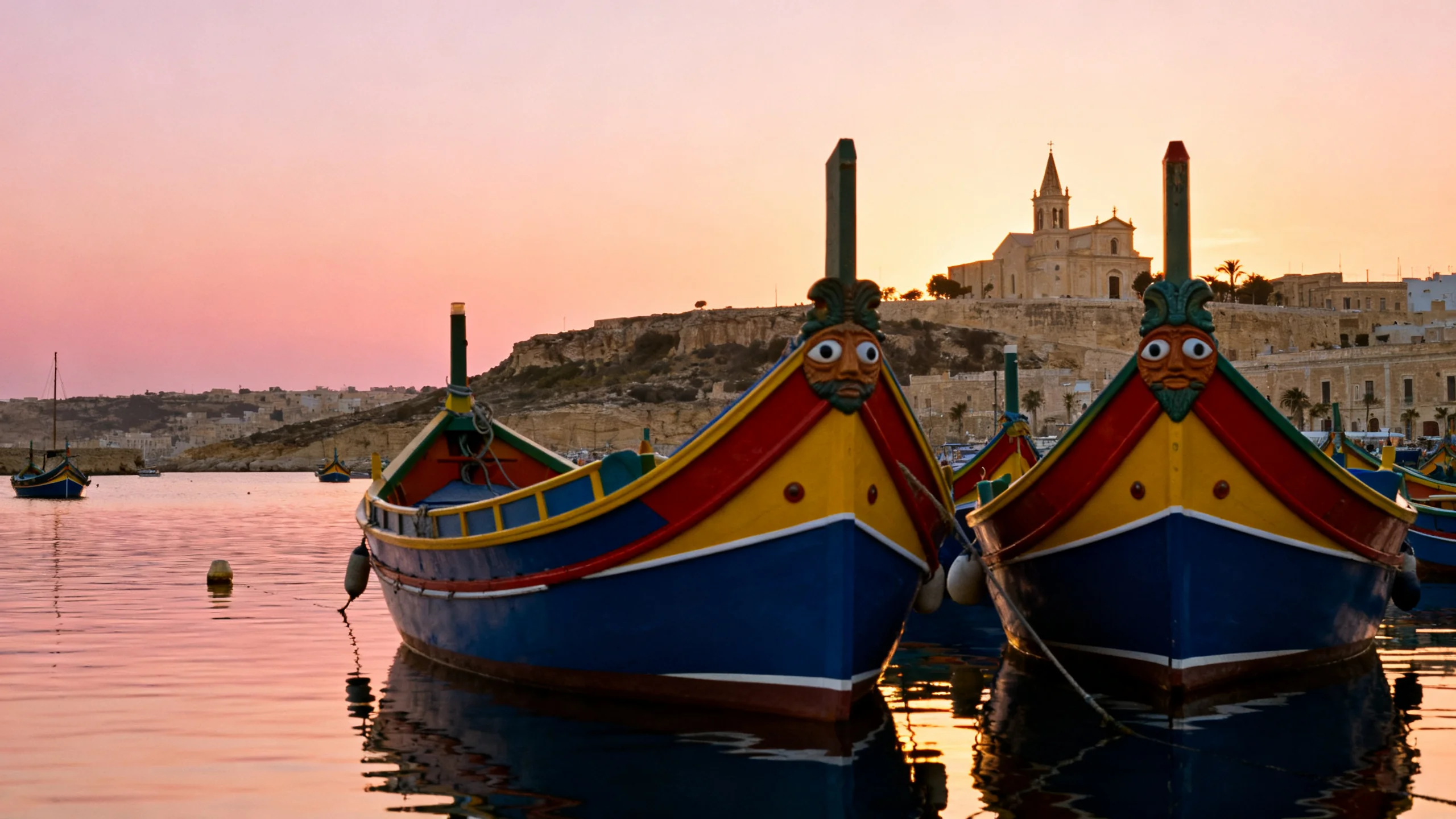
- Marsaxlokk fish market for the working fishing-village experience (Sunday or weekday morning).
- Village festas in summer for the seasonal food kiosks.
- Wine tastings at the major wineries (Marsovin runs tours of its Marsa cellars; Meridiana hosts visits at the Ta’ Qali estate).
For the broader culinary context, see the Maltese cuisine discover piece and the eating beyond pastizzi magazine piece.
When to go
Best months for food: September-November for lampuki season, February-April for sea urchin season, year-round for everything else.
The Sunday lunch tradition: most major Maltese kitchens are at their best for Sunday lunch (book ahead). For Friday lunch, Diar il-Bniet is the standout.
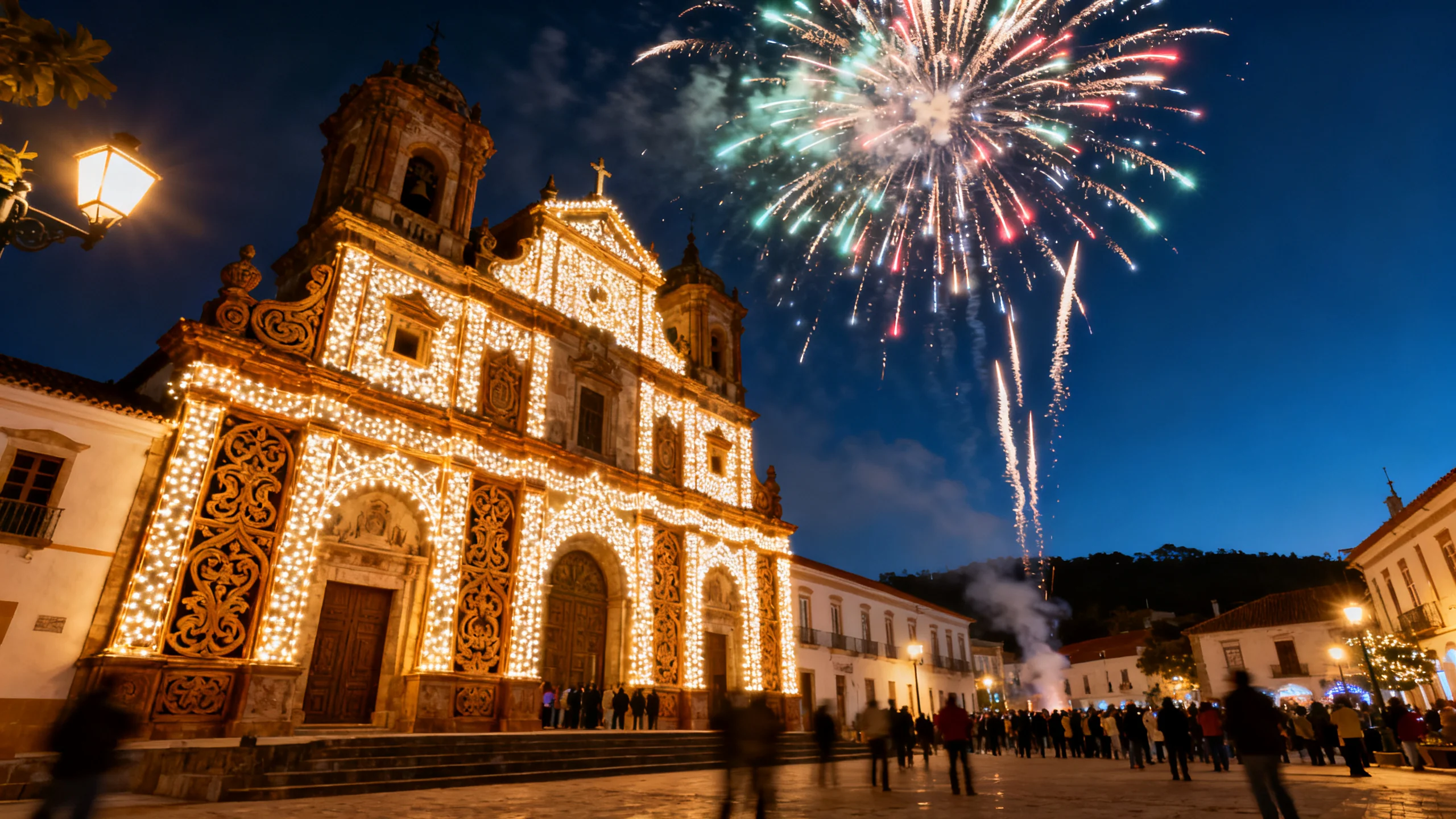
Festa season (mid-June to early September) layers village-feast food on top of the standard kitchen offering: pastizzi from temporary kiosks, fenek bil-birra cooked in massive village pots, qassatat sold by the dozen.
Accessibility
Most restaurants in tourist areas (Valletta, Sliema, Mdina) have wheelchair access or can accommodate with notice. The smaller village kitchens (United Bar in Mġarr, Diar il-Bniet in Dingli) have step-up entrances; call ahead to arrange.
The pastizzeriji and village bakeries are typically small counters; most have at least one ground-level access. Crystal Palace in Rabat is wheelchair-accessible.
Related reading
- Maltese cuisine: the historical layers of the food culture.
- Eating beyond pastizzi: the working-family kitchens.
- Marsaxlokk fish market: where the fish comes from.
- Village festas: the parish-square food culture.
- Mdina, Rabat & the centre: the home of the headline pastizzeria.